SBL
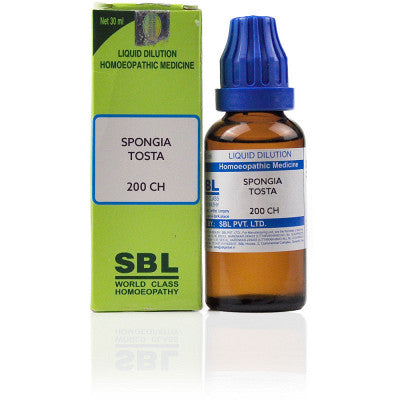
SBL Spongia Tosta 200 CH (30ml)
Couldn't load pickup availability
Spongia Tosta (Homeopathic Remedy)
Also Known As: Spongia T, Roasted Sponge, Common Sponge Roasted
What is Spongia Tosta?
Spongia Tosta is a homeopathic preparation traditionally made from roasted sea sponge. In homeopathic practice, it is commonly referenced for symptom patterns involving the respiratory tract, glands, throat, and certain glandular enlargements.
Common Name: Roasted Sponge (Spongia)
Traditional Homeopathic Indications
In homeopathy, Spongia Tosta is selected based on an individual's symptom picture. Traditional homeopathic literature associates it with:
-
Dry, barking, croup-like cough
-
Hoarseness and dryness of the throat
-
Sensation of throat constriction
-
Enlarged or hardened glands
-
Respiratory discomfort that may worsen at night
-
Dryness of mucous membranes
Homeopathic remedy selection is based on symptom similarity and individual assessment.
Mental and Emotional Symptoms
Traditional homeopathic references describe individuals who may experience:
-
Timidity or a tendency to become easily frightened
-
Restlessness
-
Increased sensitivity during illness
-
Mood changes associated with physical complaints
Head
Traditional symptom descriptions include:
-
Headache with a feeling of pressure or fullness
-
Forehead discomfort with a sensation of pulsation
-
Occasional dizziness, particularly on waking
Eyes, Ears, and Nose
Homeopathic literature mentions:
Eyes
-
Burning or watering of the eyes
-
Eye irritation associated with headache
Ears
-
Sensitivity or soreness around the ears
-
Occasional discomfort of the ear cartilage
Nose
-
Dry nasal passages
-
Sneezing with nasal congestion
Mouth and Throat
Spongia Tosta is traditionally associated with:
-
Dryness of the throat and larynx
-
Hoarseness
-
Rough sensation in the throat
-
Sensitivity or discomfort while swallowing
-
Enlarged or sensitive glands around the neck and jaw
Digestive Symptoms
Traditional references describe:
-
Sour belching
-
Nausea
-
Stomach discomfort accompanied by a feeling of tightness
-
Abdominal tension or bloating
Urinary Symptoms
Homeopathic materia medica texts mention:
-
Frequent urge to urinate
-
Scanty urination
Male Health
Traditionally referenced for symptom patterns involving:
-
Testicular discomfort
-
Sensitivity aggravated by movement or pressure
Female Health
Traditional homeopathic literature mentions:
-
Menstrual irregularities
-
Pelvic discomfort associated with glandular symptoms
Respiratory Symptoms
One of the most frequently cited traditional uses of Spongia Tosta involves respiratory complaints characterized by:
-
Dry, barking cough
-
Hoarse or hollow voice
-
Dryness of the larynx
-
Noisy breathing
-
Symptoms that may become more noticeable during the night
Persistent cough, breathing difficulty, wheezing, or respiratory distress requires prompt medical evaluation.
Extremities
Traditional symptom descriptions include:
-
Stiffness of fingers and joints
-
Muscle tension
-
Cramping sensations
-
Heaviness of the limbs
Skin
Homeopathic references describe:
-
Itching skin eruptions
-
Redness following scratching
-
Sensations of tingling or crawling on the skin
General Characteristics
According to traditional homeopathic materia medica, symptoms associated with Spongia Tosta may include:
-
Dryness of affected tissues
-
Sensation of tightness or constriction
-
Symptoms that may worsen before midnight
-
Increased sensitivity to cold, dry air
How to Use
Use only as directed on the product label or by a qualified healthcare professional experienced in homeopathic medicine.
Safety Information
-
Consult a healthcare professional before use if you are pregnant, breastfeeding, taking prescription medications, or have a medical condition.
-
Keep out of reach of children.
-
Seek immediate medical attention for severe breathing difficulties, chest pain, or other serious symptoms.
-
Homeopathic products are not intended to diagnose, treat, cure, or prevent any disease.
Disclaimer
The information provided here is for educational purposes only and is based on traditional homeopathic literature. Scientific evidence supporting the effectiveness of homeopathic remedies for specific medical conditions is limited. Always consult a qualified healthcare professional regarding any health concerns.
Share