SBL
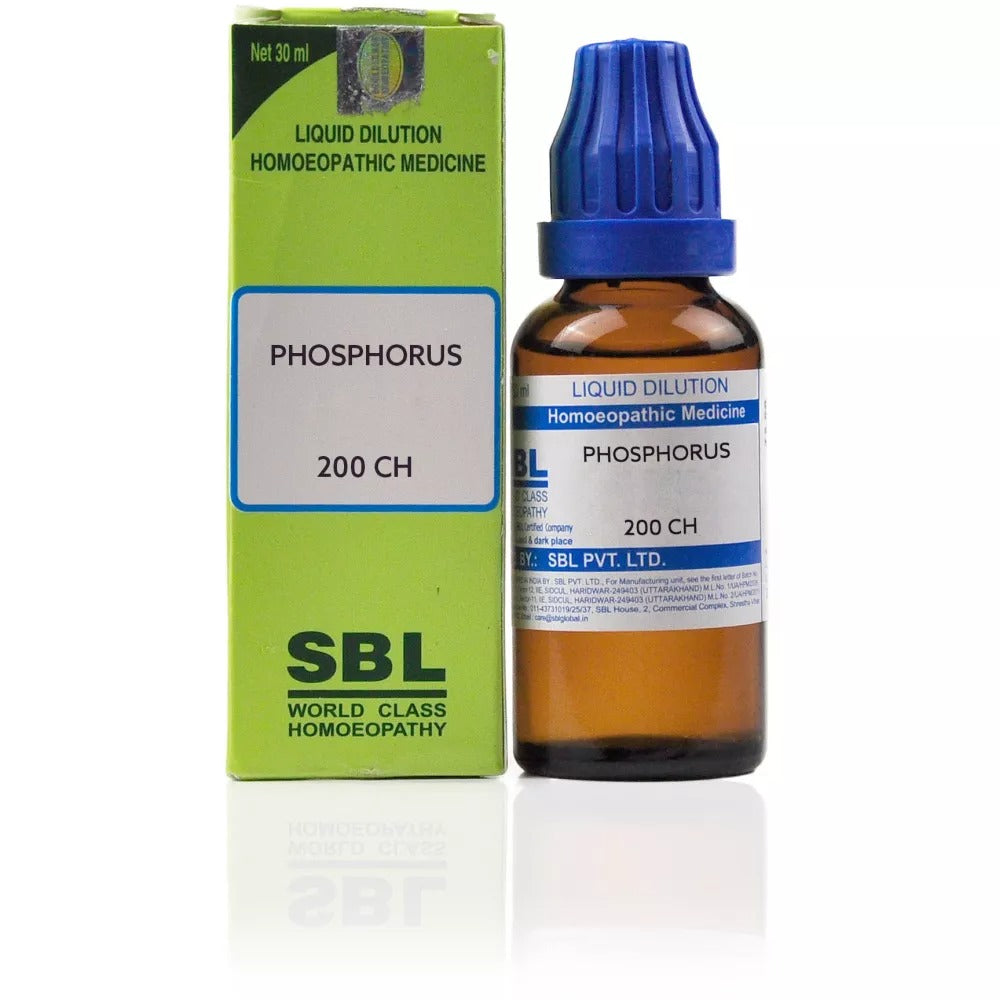
SBL Phosphorus 200 CH (30ml)
Couldn't load pickup availability
Phosphorus (Homeopathic Remedy) – Uses, Symptoms & Traditional Indications
Also Known As: Phosph.
Common Name: Phosphorus (the element)
Overview
Phosphorus is a well-known remedy in homeopathic materia medica. It is traditionally selected by homeopathic practitioners based on an individual's overall symptom picture rather than on a specific disease diagnosis. The remedy has historically been associated with sensitivity, weakness, burning sensations, respiratory concerns, and digestive disturbances.
Note: Homeopathic remedy selection is based on the principle of symptom similarity and should be guided by a qualified healthcare professional.
Traditional Homeopathic Indications
General Characteristics
Individuals traditionally associated with Phosphorus may exhibit:
-
Sensitivity to external influences such as light, noise, odors, and touch
-
A tendency toward fatigue following mental or physical exertion
-
Burning sensations in various parts of the body
-
Increased thirst, particularly for cold drinks
-
Feelings of weakness, exhaustion, or restlessness
-
Symptoms that may be aggravated by environmental changes
Mental and Emotional Features
Traditional homeopathic literature describes Phosphorus individuals as:
-
Easily affected by emotional or sensory impressions
-
Mentally fatigued after prolonged concentration
-
Forgetful or absent-minded
-
Prone to irritability or emotional sensitivity
-
Experiencing weakness after mental exertion
Head
Homeopathic practitioners may consider Phosphorus when symptoms include:
-
Headaches relieved by cool applications
-
Sensations of heaviness or fullness in the head
-
Dizziness or vertigo
-
Head discomfort aggravated by movement and improved by rest
Eyes, Ears and Nose
Traditional indications include:
-
Eye irritation with redness or burning sensations
-
Eyelid twitching or trembling
-
Sensitivity of the eyes
-
Nasal irritation with frequent sneezing
-
Occasional nosebleeds
-
Itching or discomfort in the ears
Mouth and Throat
Phosphorus has traditionally been associated with:
-
Dryness of the mouth and throat
-
Hoarseness or voice strain
-
Throat irritation
-
Dry or cracked lips
-
Sensitivity of the oral tissues
Digestive System
Traditional homeopathic references describe:
-
Increased appetite or frequent hunger
-
Desire for cold foods and beverages
-
Nausea and digestive discomfort
-
Sensations of burning in the stomach region
-
Abdominal bloating and gas
-
Digestive discomfort after eating
Rectal and Bowel Symptoms
Historically associated symptoms include:
-
Burning sensations during or after bowel movements
-
Rectal discomfort
-
Hemorrhoidal tendencies
-
Anal irritation
Urinary Symptoms
Traditional references may include:
-
Frequent urination
-
Urinary discomfort or irritation
-
Nighttime involuntary urination
Male Health
Traditional homeopathic literature mentions:
-
Discomfort involving the testes
-
Increased sexual excitability
-
Sensitivity in the reproductive organs
Female Health
Historically associated symptoms include:
-
Menstrual irregularities
-
Heavy menstrual flow
-
Pelvic discomfort associated with menstruation
-
Breast tenderness or nodular sensations
Muscles and Joints
Phosphorus has traditionally been linked to:
-
Muscle twitching or trembling
-
Joint discomfort
-
Weakness in the limbs
-
Restlessness of the legs
-
Numbness or tingling sensations
Skin
Traditional materia medica references describe:
-
Dry, scaly skin eruptions
-
Easy bleeding from minor skin lesions
-
Brownish skin discolorations
-
Itching and burning sensations
Respiratory System
Homeopathic practitioners have traditionally considered Phosphorus in cases characterized by:
-
Hoarseness
-
Chest sensitivity
-
Dryness of the air passages
-
Respiratory discomfort accompanied by weakness
Modalities
Symptoms May Worsen
-
Exposure to cold
-
Changes in weather
-
Physical exertion
-
Mental overwork
-
Bright light or sensory stimulation
Symptoms May Improve
-
Rest
-
Warmth (for many symptoms)
-
Cool applications to certain head complaints
Important Information
-
Homeopathic remedies are selected according to individual symptoms and constitutional characteristics.
-
Different people with the same medical condition may require different remedies.
-
Results vary from person to person.
-
Consult a qualified healthcare professional for diagnosis, treatment, and medical advice.
-
Do not delay or avoid professional medical care based on information found online.
Disclaimer
This information is provided for educational and informational purposes only and reflects traditional homeopathic materia medica references. It is not intended to diagnose, treat, cure, or prevent any disease. The effectiveness of homeopathic remedies has not been established by modern scientific evidence for many of the conditions described. Always consult a qualified healthcare professional regarding any health concerns.
Share