Wholesale Homeopathy
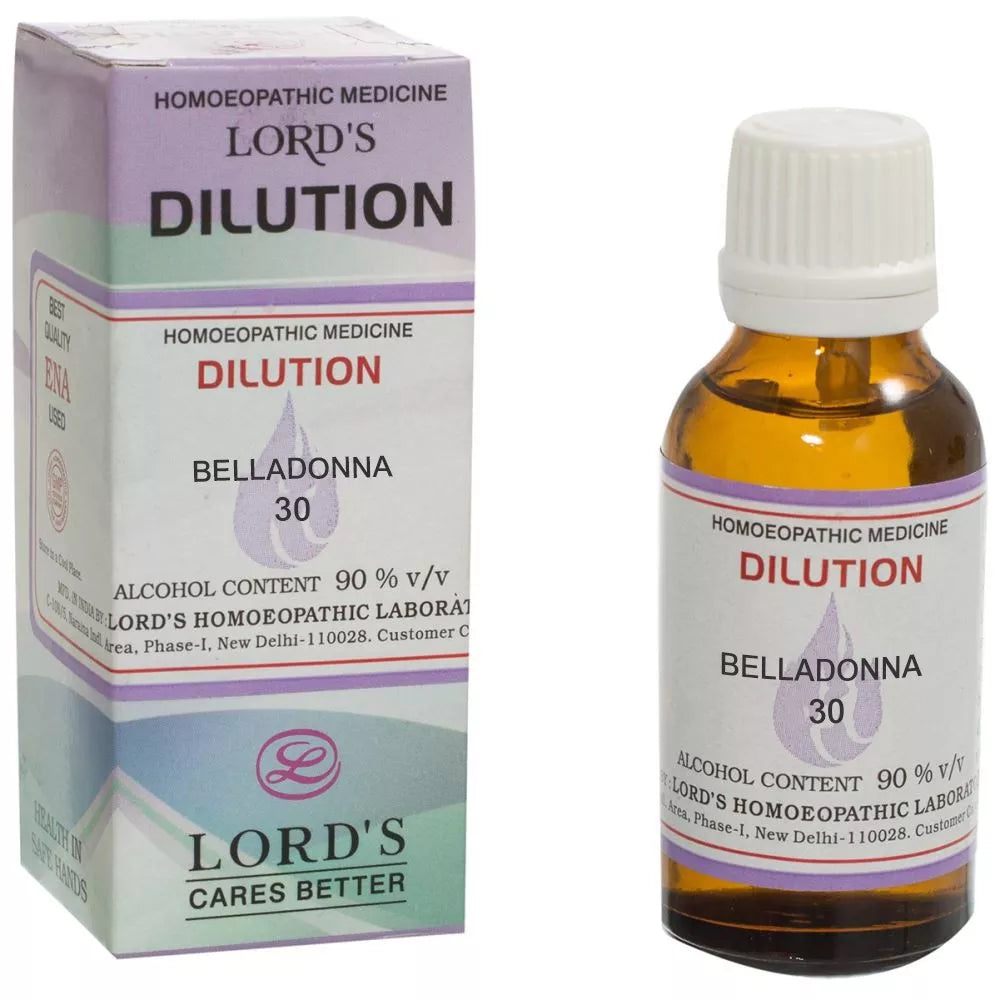
Lords Belladonna 30 CH (30ml)
Lords Belladonna 30 CH (30ml)
Couldn't load pickup availability
Lords Belladonna (Deadly Nightshade)
Also Known As
Belladon
About Lords Belladonna
Lords Belladonna is a homeopathic preparation made from Deadly Nightshade (Belladonna). In homeopathic literature, it is traditionally associated with symptom patterns involving sudden onset, heat, redness, throbbing sensations, sensitivity to external stimuli, and nervous excitement.
The remedy profile describes symptoms such as headache, feverish sensations, neuralgic discomfort, skin redness, swelling, and sensitivity to light, sound, touch, and movement. Its traditional homeopathic applications also include various head, eye, ear, throat, digestive, and skin-related complaints.
Causes & Symptoms of Lords Belladonna
-
Traditionally associated with sudden-onset complaints involving heat, redness, swelling, throbbing sensations, and burning discomfort.
-
The homeopathic symptom profile includes flushed facial appearance, hot skin, dilated pupils, restlessness, and heightened sensitivity of the senses.
-
Traditionally described for symptom patterns involving sudden headaches, neuralgic discomfort, and pulsating sensations.
-
The remedy profile includes feverish sensations accompanied by a hot head, flushed face, and comparatively cold extremities.
-
Associated in homeopathic literature with discomfort following exposure to cold draughts, sudden temperature changes, or excessive heat.
-
Traditionally indicated in homeopathic references for certain patterns of dizziness, particularly when associated with changes in posture or head movement.
-
Its traditional symptom picture includes abdominal tenderness, bloating, and spasmodic discomfort.
-
The skin-related profile includes redness, warmth, swelling, sensitivity, boils, and acne-like eruptions.
-
Other traditionally described symptoms include dryness of the mouth and throat, restlessness, disturbed sleep, and increased sensitivity to light and noise.
-
Belladonna is also described in homeopathic materia medica in connection with nervous excitement, muscular twitching, and convulsive tendencies.
Mind
-
Sudden irritability and changes in emotional responses.
-
Heightened sensitivity to light, sound, and external disturbances.
-
Occasional anger, restlessness, and emotional excitement.
-
Fearfulness and unusual behavioural responses.
-
Disturbed perception and vivid imagination.
-
Restlessness and a tendency to withdraw or avoid surroundings.
-
Homeopathic literature describes hallucinations, confusion, and delirious states in its traditional symptom picture.
Generalities
-
Traditionally associated with sudden and intense symptom patterns.
-
Throbbing and pulsating sensations.
-
Neuralgic discomfort that may appear and disappear suddenly.
-
Sensitivity to touch, movement, noise, and light.
-
Muscular twitching and spasmodic tendencies.
-
Symptoms described as more prominent on the right side.
-
Traditionally reported aggravation around 3 PM.
-
Discomfort associated with heat, sunlight, and sudden temperature changes.
Acute Symptom Picture
-
Sudden onset of complaints.
-
Intense sensations of heat and burning.
-
Redness and swelling.
-
Throbbing or pulsating discomfort.
-
Hot head with cold hands and feet.
-
Restlessness and heightened sensitivity.
Food and Drinks
- Desire: Lemons.
Head
-
Traditionally associated with throbbing headaches affecting the forehead, temples, and back of the head.
-
Pulsating or hammering sensations in the head.
-
Head discomfort associated with exposure to sunlight or changes in temperature.
-
Sensitivity to movement, noise, light, and touch.
-
A sensation of pressure or fullness in the head.
-
Dizziness that may become more noticeable when turning in bed or moving the head.
-
Cold feet accompanying headache sensations.
-
Traditional references also describe headaches following haircuts.
Eyes
-
Sensitivity to bright light (photophobia).
-
Dilated pupils.
-
Redness, dryness, and burning sensations in the eyes.
-
Sensation of eye swelling or protrusion.
-
Throbbing discomfort around or behind the eyes.
-
Eyelid swelling and twitching.
-
Disturbed visual perception and occasional visual disturbances.
Ears
-
Traditionally associated with throbbing ear discomfort, particularly on the right side.
-
Ringing, humming, or unusual sounds in the ears.
-
Increased sensitivity to loud noises.
-
Tearing or shooting sensations in the middle and external ear.
-
Traditional symptom references include ear congestion and discomfort associated with middle-ear conditions.
-
Swelling and tenderness around the parotid glands.
Nose
-
Bright-red nasal bleeding is described in traditional symptom references.
-
Redness and swelling around the nose.
-
Tingling sensations at the tip of the nose.
-
Nasal discharge that may occasionally contain blood.
-
Altered or unusual perception of smells.
Mouth
-
Dryness of the mouth and tongue.
-
Throbbing dental discomfort.
-
Tender or swollen gums.
-
Redness along the edges of the tongue.
-
Strawberry-like appearance of the tongue.
-
Teeth grinding and occasional speech disturbances.
Face
-
Redness, warmth, and swelling of the face.
-
Shiny or flushed facial appearance.
-
Facial muscle twitching.
-
Swelling around the upper lip.
-
Traditionally associated with painful acne-like eruptions and deep boils.
-
Facial neuralgic sensations accompanied by redness.
Teeth
-
Teeth grinding, particularly during sleep.
-
Throbbing dental discomfort.
-
Tenderness around the gums.
Throat
-
Dryness and redness of the throat.
-
Sensation of constriction or tightness.
-
Enlarged or swollen tonsils.
-
Increased sensitivity while swallowing.
-
Sensation of a lump in the throat.
-
Dryness and irritation in the oesophagus.
-
Traditionally described symptoms may be more prominent on the right side.
Stomach
-
Changes in appetite and thirst.
-
Spasmodic discomfort in the upper abdomen.
-
Sensation of tightness or constriction in the stomach.
-
Nausea and vomiting.
-
Hiccups and retching.
-
Abdominal discomfort that may extend towards the back.
Abdomen
-
Sensation of abdominal fullness and distension.
-
Tenderness and sensitivity to pressure or touch.
-
Spasmodic or gripping abdominal discomfort.
-
Pain that may become more noticeable with movement, coughing, or sneezing.
-
Traditional homeopathic references include symptom patterns associated with intestinal irritation.
Stools
-
Changes in stool consistency and appearance.
-
Greenish or loose stools.
-
Dysenteric-type stool patterns described in traditional literature.
-
Rectal discomfort and spasmodic sensations.
-
Increased sensitivity associated with bowel movements.
Rectum
-
Traditionally associated with swollen, congested, and sensitive haemorrhoids.
-
Throbbing discomfort and tenderness around the rectal region.
Urine
-
Traditional symptom references include difficulty passing urine.
-
Frequent or involuntary urination.
-
Changes in urine colour and appearance.
-
Burning or discomfort associated with urination.
-
Other traditionally described urinary symptoms include bladder sensitivity and incomplete emptying.
Male
-
Traditional homeopathic references describe testicular tenderness and swelling.
-
Sensations of heaviness or discomfort in the genital region.
-
Changes in prostatic secretions.
-
Reduced sexual desire.
Female Genitalia
-
Traditionally associated with menstrual discomfort and changes in menstrual flow.
-
Right-sided ovarian discomfort in the homeopathic symptom profile.
-
Sensations of pelvic heaviness or downward pressure.
-
Vaginal dryness and heat sensations.
-
Lower-back and sacral discomfort.
-
Traditional references describe changes in menstrual timing, flow, and associated discomfort.
-
Breast tenderness, heaviness, and swelling.
-
Throbbing sensations and redness associated with breast discomfort.
Cough
-
Dry, short, and barking cough.
-
Tickling sensations in the throat and larynx.
-
Cough that may become more noticeable at night.
-
Hoarseness and changes in voice.
-
Dryness and irritation of the respiratory passages.
-
Sensation of soreness or a foreign body in the throat.
-
Chest discomfort associated with coughing.
Chest
-
Traditional symptom references include breast tenderness, swelling, and redness.
-
Sensations of heaviness and throbbing discomfort.
Heart
-
Sensations of rapid or forceful heartbeat.
-
Palpitations that may be accompanied by breathing discomfort.
-
Throbbing sensations extending through the body.
-
Increased awareness of heartbeat during physical activity.
Extremities
-
Coldness in the hands and feet, particularly with a hot or flushed head.
-
Shooting or shifting discomfort in the limbs.
-
Joint swelling, redness, and tenderness.
-
Muscular twitching and spasmodic movements.
-
Occasional stiffness and difficulty with movement.
Back
-
Stiffness and discomfort around the neck.
-
Swelling and tenderness of neck glands.
-
Pain around the nape of the neck.
-
Discomfort in the dorsal region.
-
Lower-back pain extending towards the hips and thighs.
Sleep
-
Restless or disturbed sleep.
-
Talking or grinding teeth during sleep.
-
Dreams involving falling.
-
Sudden waking during the night.
-
Preference for sleeping on the abdomen.
-
Sleep disturbances associated with pulsating sensations.
Skin
-
Hot, dry, and sensitive skin.
-
Redness and burning sensations.
-
Swelling and tenderness.
-
Boil-like eruptions and acne-related skin concerns.
-
Sudden skin redness and irritation.
-
Sensitivity to sunlight.
-
Swollen and tender glands.
-
Traditional homeopathic descriptions also include erysipelas-like skin conditions and inflammatory skin changes.
Fever
-
Traditionally associated with intense sensations of heat and burning.
-
Hot head accompanied by cold feet or extremities.
-
Flushed facial appearance.
-
Dryness of the skin.
-
Perspiration patterns that may vary across different body areas.
-
Feverish sensations sometimes described without significant thirst.
Sleep Disturbances
-
Restlessness and frequent waking.
-
Talking or crying out during sleep.
-
Teeth grinding.
-
Sudden movements while falling asleep.
-
Difficulty sleeping due to pulsating sensations.
-
Unusual sleeping positions, including keeping the hands beneath the head.
Complementary Remedies
The following remedies are mentioned as complementary in traditional homeopathic literature:
-
Borax
-
Calcarea Carbonica
-
Carbo Vegetabilis
-
Hepar Sulphuricum
-
Lachesis
-
Mercurius Solubilis
-
Natrum Muriaticum
-
Silicea
-
Sulphur
-
Variolinum
Modalities
Aggravation (Worse):
-
Touch and pressure.
-
Sudden movement or jolting.
-
Noise and bright light.
-
Exposure to draughts.
-
Heat and direct sunlight.
-
Afternoon, particularly around 3 PM.
-
Lying down.
Amelioration (Better):
-
Semi-erect positioning.
-
Firm pressure in certain symptom patterns.
-
Covering the head.
-
Rest in a quiet environment.
Side Effects of Lords Belladonna
When used as directed, the tolerability of a homeopathic preparation may vary depending on its formulation, potency, and individual circumstances. No product should be assumed to be completely free from side effects.
Belladonna in its unprocessed form contains toxic alkaloids. Use only the commercially prepared product according to its label and a qualified healthcare professional's advice. Do not use it as a substitute for prescribed medication.
If you are taking allopathic, Ayurvedic, or other medicines, consult your healthcare professional before combining treatments.
Dosage and Rules While Taking Lords Belladonna
-
Take 5 drops in half a cup of water, three times daily, only if this dosage is consistent with the product label or your physician's recommendation.
-
Alternatively, globules may be prepared as directed by a qualified homeopathic practitioner.
-
Follow the recommended dosage and instructions.
-
Avoid changing the dosage without professional guidance.
Important: We recommend taking this preparation under the guidance of a qualified healthcare professional.
Precautions While Taking Lords Belladonna
-
Maintain a gap of approximately 15 minutes before or after meals, if advised by your practitioner.
-
If pregnant or breastfeeding, consult a healthcare professional before use.
-
Avoid alcohol and tobacco during the course of treatment, as advised by your practitioner.
-
Keep the medicine out of reach of children.
-
Store in a cool, dry place away from direct sunlight.
-
Do not exceed the recommended dosage.
-
Seek immediate medical attention for high fever, seizures, severe headache, breathing difficulties, urinary retention, or sudden confusion.
Terms and Conditions
Homeopathic products are traditionally selected based on individual symptom patterns and symptom similarity. Their suitability may vary from person to person, and individual experiences can differ.
The information provided is for general product reference and educational purposes only. It is not intended to diagnose, treat, cure, or prevent any disease.
We recommend consulting a qualified healthcare professional before purchasing or using this product. Do not discontinue prescribed medication or practise self-medication without professional advice.
I can also prepare a Google Ads-friendly, shorter product description for Lords Belladonna while retaining its important product information.
Share