Wholesale Homeopathy
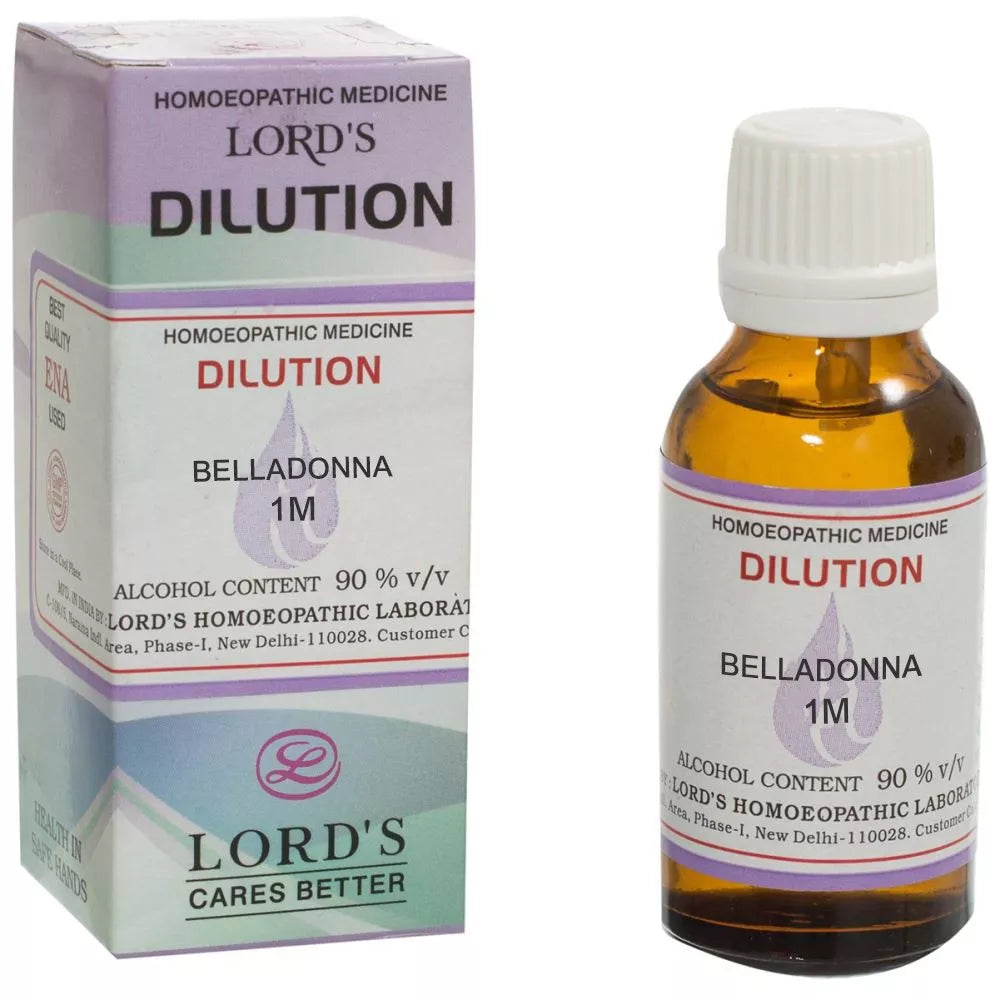
Lords Belladonna 1M (1000 CH) (30ml)
Lords Belladonna 1M (1000 CH) (30ml)
Couldn't load pickup availability
Lords Belladonna Dilution
Also Known As
Belladon
Common Name
Deadly Nightshade
About Lords Belladonna
Lords Belladonna is a homoeopathic preparation made from Belladonna, traditionally known as Deadly Nightshade. In homoeopathic practice, it is associated with sudden-onset symptoms involving heat, redness, throbbing pain, and heightened sensitivity. It is traditionally described in connection with headaches, neuralgic discomfort, inflammatory symptoms, skin redness, and fever-like conditions.
Belladonna is commonly discussed in homoeopathic literature for symptoms that develop suddenly and intensely, particularly those associated with sensitivity to light, noise, movement, and touch. The appropriate use and potency depend on the individual's symptoms and professional assessment.
Key Features and Traditional Homoeopathic Uses
Lords Belladonna is traditionally associated with the following symptom patterns:
-
Headache: Throbbing or pulsating headaches, particularly those accompanied by facial redness, sensitivity to light, and discomfort from movement.
-
Fever-like symptoms: Sudden heat, flushed skin, and a feeling of intense warmth.
-
Neuralgic discomfort: Sudden, sharp, or throbbing pain that may appear and disappear abruptly.
-
Skin complaints: Redness, swelling, heat, boils, and other inflammatory-looking skin eruptions described in traditional homoeopathic references.
-
Eye symptoms: Sensitivity to light, redness, watering or dryness, and a feeling of pressure around the eyes.
-
Ear discomfort: Throbbing ear pain and sensitivity to loud sounds.
-
Throat complaints: Dryness, redness, and discomfort while swallowing.
-
Digestive complaints: Abdominal tenderness, spasmodic discomfort, and other symptoms described in traditional homoeopathic materia medica.
-
Muscular and joint discomfort: Swelling, tenderness, stiffness, and shifting pains.
-
Restlessness and sleep disturbances: Agitated sleep, sudden waking, and restlessness associated with illness.
These are traditional homoeopathic indications and should not be interpreted as established evidence of clinical effectiveness.
Traditional Symptom Profile
Mind and Emotional State
Traditional homoeopathic descriptions associate Belladonna with irritability, sudden anger, restlessness, heightened sensitivity to external stimuli, and, in severe descriptions, confusion or delirium.
General Symptoms
-
Sudden onset of symptoms.
-
Sensitivity to touch, noise, light, and movement.
-
Throbbing or pulsating sensations.
-
Feelings of heat and redness.
-
Restlessness and involuntary movements described in traditional materia medica.
Head
Traditionally associated with throbbing headaches affecting the forehead, temples, or back of the head. Symptoms may be described as aggravated by movement, light, noise, or jarring.
Eyes
Traditional descriptions include dilated pupils, sensitivity to light, redness, a staring appearance, and discomfort around the eyes.
Ears
Associated in homoeopathic literature with throbbing ear discomfort, sensitivity to loud sounds, and ringing or humming sensations.
Nose
Traditional symptom descriptions include nosebleeds, nasal irritation, redness, and discharge that may contain traces of blood.
Mouth and Teeth
Descriptions include dry mouth, a red or swollen tongue, toothache, gum discomfort, and teeth grinding during sleep.
Face
A flushed, hot, red, or swollen facial appearance is a characteristic feature described in traditional Belladonna references.
Throat
Traditional descriptions include throat dryness, redness, swelling, discomfort during swallowing, and a sensation of constriction.
Stomach and Abdomen
Symptoms described in homoeopathic literature include nausea, vomiting, abdominal distension, tenderness, and cramping discomfort.
Bowel and Rectal Symptoms
Traditional references mention changes in bowel movements, rectal discomfort, and sensitive or swollen haemorrhoids.
Urinary Symptoms
Descriptions include difficulty passing urine, frequent urination, and other urinary complaints. These symptoms require proper medical evaluation.
Male and Female Health
Traditional materia medica references discuss various reproductive and menstrual symptoms. However, menstrual irregularities, unusual bleeding, breast inflammation, and genital pain should be medically assessed rather than self-treated.
Cough and Respiratory Symptoms
Traditional descriptions include dry, barking coughs, hoarseness, throat irritation, and discomfort during coughing. Breathing difficulties require urgent medical assessment.
Chest and Heart
Descriptions include palpitations, pulsating sensations, and chest discomfort. New or severe chest symptoms require prompt medical attention.
Back and Extremities
Traditional indications include neck stiffness, back discomfort, joint tenderness, swelling, and shooting or shifting pains.
Skin
Belladonna is traditionally associated with hot, dry, red, sensitive skin and certain inflammatory-looking eruptions.
Fever and Sleep
Traditional descriptions include feverish sensations, flushed skin, restlessness, disturbed sleep, and sudden waking. Fever accompanied by confusion, seizures, or severe headache requires urgent medical care.
Modalities
In traditional homoeopathic literature, symptoms associated with Belladonna are described as potentially aggravated by:
-
Touch or pressure.
-
Sudden movement or jarring.
-
Bright light and loud noise.
-
Draughts of cold air.
-
Heat or exposure to the sun.
-
Certain changes in position.
The reported modalities vary from person to person and are not a substitute for medical diagnosis.
Complementary Remedies
Traditional homoeopathic references sometimes list the following remedies alongside Belladonna: Borax, Calcarea Carbonica, Carbo Vegetabilis, Hepar Sulphuris, Lachesis, Mercurius Solubilis, Natrum Muriaticum, Silicea, Sulphur, and Variolinum.
These are historical remedy comparisons, not recommendations to combine medicines.
Ingredients
The exact composition and potency depend on the specific Lords Belladonna product and its label. Please refer to the manufacturer's packaging for verified ingredient information.
Dosage and Directions
The appropriate dosage depends on the product's potency, formulation, age of the user, and clinical circumstances.
-
Follow the dosage instructions printed on the product label.
-
Consult a qualified healthcare professional before use.
-
Do not increase the dose or frequency without professional guidance.
-
Do not use this product as a substitute for necessary medical treatment.
Side Effects and Safety Information
Belladonna is a toxic plant that contains potent alkaloids, including atropine and scopolamine. Incorrectly prepared products or preparations containing measurable amounts of these substances can cause serious poisoning.
Possible poisoning symptoms include dilated pupils, blurred vision, dry mouth, rapid heartbeat, difficulty urinating, agitation, confusion, and hallucinations. Seek emergency medical assistance if poisoning is suspected.
The safety of a product depends on its actual formulation and dilution. Do not assume that all preparations are free from side effects or that they cannot interact with other medicines.
Precautions
-
Keep the product out of the reach of children.
-
Check the label for the exact formulation, potency, and directions.
-
Consult a qualified healthcare professional before use during pregnancy or breastfeeding.
-
Seek medical advice before giving it to children.
-
Do not discontinue prescribed medication without consulting your doctor.
-
Seek prompt medical attention for severe headache, high fever, seizures, breathing difficulty, chest pain, confusion, or persistent vomiting.
Terms and Conditions
Homoeopathic products are traditionally selected according to individual symptom patterns. Scientific evidence supporting the effectiveness of homoeopathy for specific medical conditions is limited, and these products should not replace evidence-based medical care.
Results may vary, and no therapeutic outcome is guaranteed. Consult a qualified healthcare professional before purchasing or using this product. Avoid self-medication, particularly for serious, persistent, or rapidly worsening symptoms.
Share