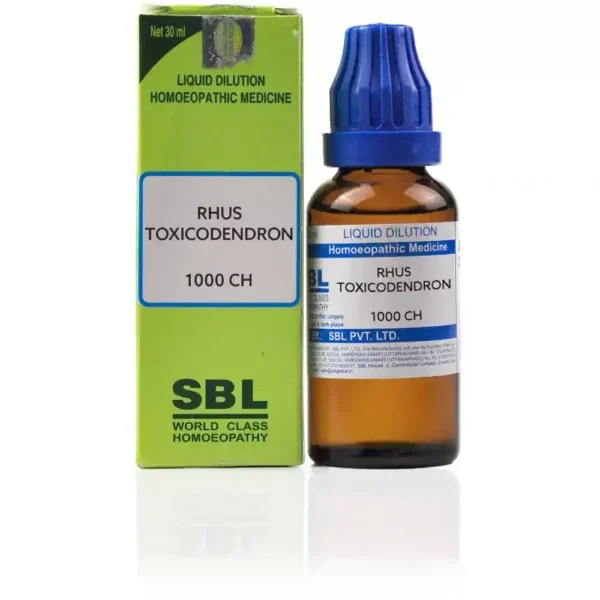



Rhus Toxicodendron (Rhus Tox) – Homeopathic Medicine Overview
Also Known As: Rhus Tox, Rhus Toxicodendron
Common Name: Poison Oak
Preparation: Rhus Toxicodendron is prepared from the fresh leaves of the Poison Oak plant, traditionally collected before the flowering period and processed according to homeopathic pharmacopoeia standards.
Overview
Rhus Toxicodendron is a homeopathic remedy traditionally used in homeopathic practice for symptoms that may develop after exposure to cold, damp weather, physical strain, overexertion, or minor injuries. It is commonly associated with stiffness, discomfort that improves with movement, and certain skin-related symptoms.
Key Homeopathic Indications
According to traditional homeopathic literature, Rhus Tox may be considered when symptoms include:
- Stiffness and discomfort that improve with gentle movement
- Restlessness and inability to remain in one position for long periods
- Symptoms aggravated by cold, damp weather
- General soreness and a bruised sensation in muscles and joints
- Skin irritation with itching and redness
- Discomfort following sprains, strains, or overexertion
Mind and Emotional Symptoms
Traditional homeopathic references describe Rhus Tox for individuals who may experience:
- Restlessness, especially at night
- Anxiety or apprehension
- Difficulty relaxing due to physical discomfort
- Disturbed sleep associated with discomfort or worry
Head
Homeopathic practitioners may consider Rhus Tox for:
- Head discomfort associated with exposure to damp weather
- Scalp irritation accompanied by itching or eruptions
- Symptoms that may worsen after getting the hair wet
Eyes and Ears
Traditional uses include symptoms such as:
- Red, irritated, or watery eyes
- Sticky eyelids upon waking
- Occasional stye-like eruptions
- Ear discomfort accompanied by swelling or throbbing sensations
Neck and Back
Rhus Tox is commonly associated with:
- Neck stiffness that improves with movement or stretching
- Back soreness and stiffness after rest
- Discomfort that may feel better with activity and warmth
- Stiffness following physical exertion or exposure to cold, damp conditions
Digestive Symptoms
Traditional homeopathic texts mention Rhus Tox for:
- Occasional nausea after eating
- Sensations of fullness or bloating
- Excessive gas and abdominal rumbling
- Digestive discomfort associated with certain foods or cold drinks
Urinary and Rectal Symptoms
Homeopathic practitioners may consider Rhus Tox when symptoms include:
- Frequent urge to urinate
- Rectal discomfort associated with hemorrhoids
- Morning digestive disturbances
Skin Symptoms
Rhus Tox is frequently referenced in homeopathic literature for:
- Itchy skin eruptions
- Red, irritated rashes
- Blister-like skin eruptions
- Symptoms that may feel better with warm applications
General Characteristics
Common characteristics traditionally associated with Rhus Tox include:
- Symptoms worsen during cold, damp weather
- Symptoms improve with warmth
- Initial stiffness that eases with continued movement
- Restlessness accompanied by muscular or joint discomfort
Suggested Usage
Dosage and potency selection should be determined by a qualified healthcare professional or homeopathic practitioner based on individual needs.
Safety Information
- Use only as directed on the product label or by a healthcare professional.
- If symptoms persist, worsen, or new symptoms appear, seek medical advice.
- Pregnant or breastfeeding women and individuals with existing medical conditions should consult a healthcare professional before use.
- Keep out of reach of children.
Disclaimer
This information is provided for educational purposes only and is based on traditional homeopathic materia medica references. Homeopathic remedies are not intended to diagnose, treat, cure, or prevent any disease. Scientific evidence supporting homeopathic efficacy is limited. Always consult a qualified healthcare professional for medical concerns.




Reviews
There are no reviews yet.