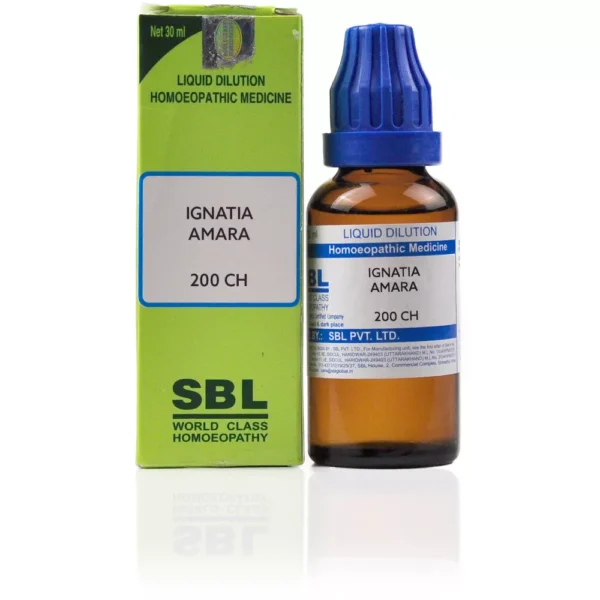



Ignatia Amara (Ignatia) – Homeopathic Medicine Overview
Also Known As: Ignatia Amara, Ignatia
Common Name: St. Ignatius Bean (Faba Indica)
Source: Ignatia Amara is a homeopathic preparation made from the seeds of the St. Ignatius Bean plant.
Overview
Ignatia Amara is a well-known homeopathic remedy traditionally associated with emotional sensitivity and symptoms that may arise following emotional stress, disappointment, grief, or shock. In homeopathic practice, it is often considered for individuals who experience rapidly changing moods and heightened emotional responses.
Homeopathic remedies are selected based on the individual’s overall symptom picture and constitutional characteristics.
Key Characteristics Associated with Ignatia Amara
People for whom Ignatia is traditionally considered may experience:
- Emotional sensitivity and mood changes
- Sighing, sobbing, or feelings of grief
- Alternating laughter and tears
- Nervous tension or emotional excitability
- Physical symptoms that appear after emotional stress
- Twitching or spasmodic tendencies
Traditional Homeopathic Indications
Emotional and Mental Well-Being
Ignatia Amara is commonly associated in homeopathic literature with:
- Emotional upset following disappointment or grief
- Mood swings and emotional sensitivity
- Irritability triggered by contradiction
- Feelings of sadness accompanied by frequent sighing
- Emotional reactions following fright or shock
Head and Nervous System
Traditional homeopathic references describe symptoms such as:
- Sensations of pressure or fullness in the head
- Head discomfort associated with emotional stress
- Sensitivity to tobacco smoke, coffee, or alcohol
- Nervous twitching of facial muscles or eyelids
Eyes, Ears, and Nose
Homeopathic practitioners may consider Ignatia when symptoms include:
- Eye irritation with twitching of the eyelids
- Itching sensations in the ears
- Nasal dryness and congestion
- Sensitivity affecting the nose and surrounding tissues
Throat and Mouth
Traditional symptom descriptions include:
- Throat discomfort that may feel better after eating solid food
- Tonsil irritation
- Mouth soreness or cracks at the corners of the mouth
- Sensations of tightness in the throat
Digestive System
Ignatia is traditionally associated with:
- A sensation of emptiness in the stomach
- Occasional abdominal cramping
- Digestive discomfort linked with emotional stress
- Pressure or heaviness in the upper abdomen
Rectal and Bowel Symptoms
Homeopathic literature mentions:
- Discomfort associated with bowel movements
- Itching or tingling sensations in the anal region
- Difficulty passing hard stools
Urinary Symptoms
Traditional references describe:
- Frequent urges to urinate
- Burning or irritation during urination
- Sensations of discomfort in the urinary tract
Women’s Health
In homeopathic practice, Ignatia has been traditionally considered for:
- Menstrual discomfort accompanied by emotional sensitivity
- Cramping sensations in the pelvic region
- Emotional symptoms associated with hormonal changes
Muscles, Joints, and Extremities
Symptoms traditionally associated with Ignatia include:
- Neck stiffness
- Sciatic discomfort
- Muscle twitching
- Sensations of weakness or trembling in the limbs
- Joint stiffness
General Characteristics
Traditional homeopathic literature suggests that symptoms associated with Ignatia may:
- Improve with firm pressure
- Improve while lying on the affected side
- Be influenced by emotional stress
- Become more noticeable after meals or during the evening
Directions for Use
Use only as directed on the product label or by a qualified healthcare professional. Dosage may vary depending on the individual and the potency selected.
Precautions
- Read the product label carefully before use.
- Keep out of reach of children.
- If pregnant, nursing, taking medication, or under medical supervision, consult a qualified healthcare professional before use.
- Avoid self-medication for serious or persistent health concerns.
- Store in a cool, dry place away from direct sunlight.
Safety Information
Homeopathic medicines are generally used in highly diluted forms. If symptoms persist, worsen, or new symptoms develop, seek advice from a qualified healthcare professional.
Disclaimer
This information is provided for educational purposes only and is not intended to diagnose, treat, cure, or prevent any disease. Homeopathic remedies are traditionally selected based on individual symptom similarity and practitioner assessment. Results may vary from person to person.




Reviews
There are no reviews yet.